

Why an Induction Furnace is an Optimal Choice to Melt Copper


September 17, 2013

9:00 am
Copper is a versatile and valuable metal that plays a crucial role in various industries, ranging from construction and electrical wiring to electronics and transportation. Before copper can be transformed into the desired products and components, it must undergo the essential process of melting. Melting copper is the foundation of many manufacturing processes, enabling the material to be cast, alloyed, and shaped into various forms.
In this article, we will explore the significance of melting copper and the importance of choosing the right furnace for this process. Specifically, we will delve into why an induction furnace, such as a copper induction furnace or induction copper melting furnace, stands out as the optimal choice for melting copper. With its numerous benefits, including energy efficiency, precise temperature control, and adaptability to different copper alloys, an induction furnace provides a compelling solution for industries seeking optimal results.
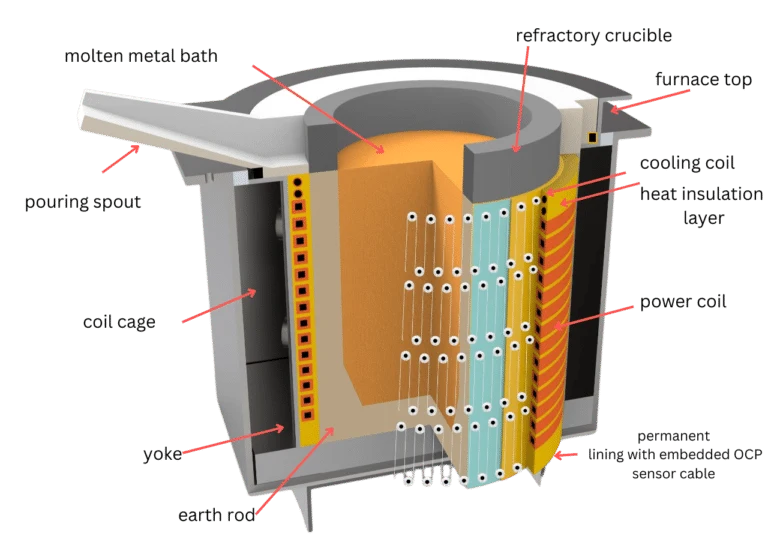
What is an Induction Furnace?
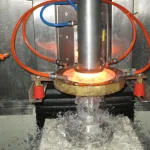
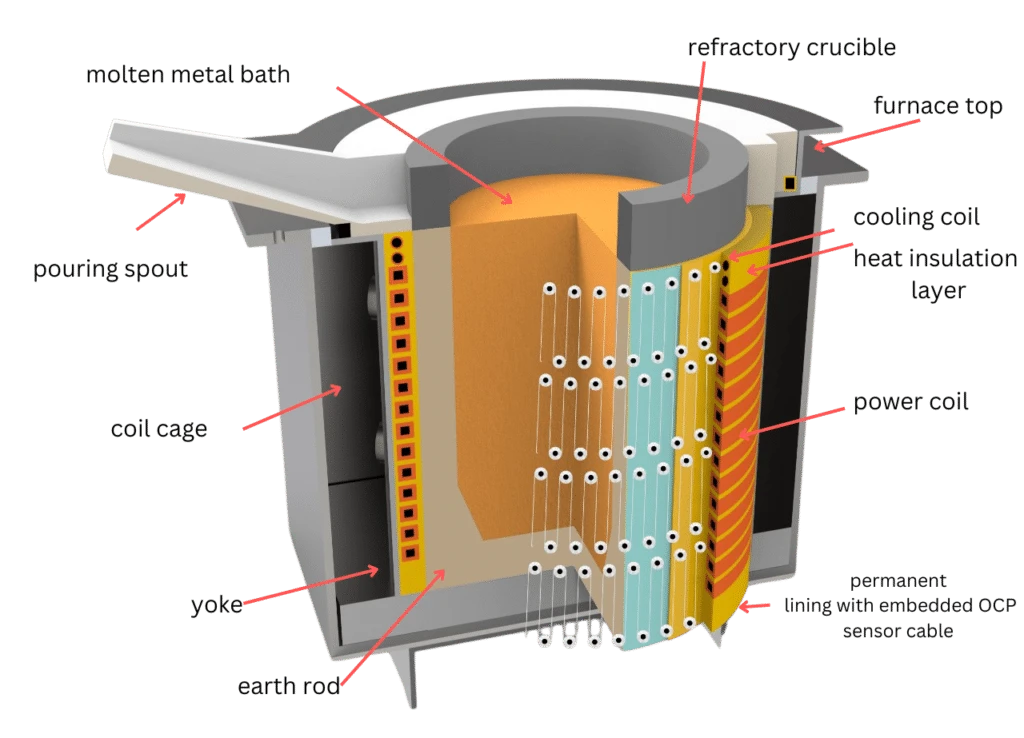
An induction furnace is a powerful and versatile furnace specifically designed for melting metals like copper. It utilizes electromagnetic induction to generate heat directly within the copper material. By passing an alternating electric current through a coil, a magnetic field is created, inducing eddy currents within the conductive copper. These currents generate heat, rapidly melting the copper.An induction furnace, such as a copper induction furnace, can efficiently melt copper due to this heating principle.

Classification Based on Heating Energy
When it comes to induction furnace for copper melting, they can be classified into three categories based on the type of heating energy they utilize:
A. Furnaces Heated by Fuels:
These furnaces rely on various fuel sources such as natural gas, petroleum liquefied gas, gas, diesel, and heavy oil. The combustion of these fuels generates thermal energy, which in turn heats up the furnace. Additionally, some furnaces may also utilize coke as a heating fuel. This category encompasses a wide range of fuel-fired furnaces, each with its own specific heating characteristics.
B. Electric Heating:
In this method, thermal energy is generated by electrifying the resistor unit within the furnace, effectively heating the metals. One common example of this approach is the use of Silicon Carbon Rod melting copper furnaces. These furnaces employ high-temperature silicon carbide rods as the heating element, which, when electrified, generate the necessary heat for melting copper.
C. Induction Heating:
Induction heating is a heating principle based on the principle of electromagnetic induction. It involves the use of alternating current to generate a magnetic field, which, in turn, induces eddy currents within the conductive copper material. These eddy currents produce heat, effecively melting the copper. Induction furnaces are widely recognized for their efficiency and precise temperature control.
| Heating Principle | Gas Fired Copper Melting Furnace | Induction Copper Melting Furnace | Silicon Carbon Rod Copper Melting Furnace |
| Maximum Temperature | 1350°C | 1700°C | 1350°C |
| Heating Time | 2.5 hours | 40 minutes – 1 hour | 3 hours |
Comparison of Heating Principles in Copper Melting Furnace
Comparison to other types of furnaces used for melting copper
Induction furnaces, including induction copper melting furnaces, outperform traditional copper melting furnaces in several key aspects. Unlike fuel-fired furnaces, induction furnaces eliminate the need for external fuel sources, resulting in enhanced energy efficiency and cost savings. Precise temperature control is another advantage, enabling operators to adjust frequency and power input for optimal melting conditions. This level of control ensures consistent quality and purity of molten copper, which can be challenging with traditional furnaces. Moreover, induction furnaces offer adaptability to different copper alloys, accommodating various sizes and shapes.
| Features | Induction Furnaces | Traditional Furnaces |
| Heating Method | Electromagnetic induction | Fuel combustion |
| Energy Efficiency | Higher energy efficiency | Lower energy efficiency |
| Cost Savings | Elimination of external fuel sources | Fuel consumption costs |
| Temperature Control | Precise temperature control | Less precise temperature control |
| Quality and Purity | Consistent quality and purity | Potential variations in quality |
| Adaptability | Suitable for various copper alloys | Limited adaptability |
| Size and Shape | Accommodates various sizes and shapes | Limited flexibility |
| Productivity | Enhanced productivity | Standard productivity levels |
| Cost-effectiveness | Cost-effective in the long run | Fuel costs may add up over time |
| High-quality Output | Produces high-quality molten copper | Potential variations in output quality |
Table 2. Comparison of Induction Furnaces and Traditional Copper Melting Furnaces
Overall, their energy efficiency, temperature control, and adaptability make induction furnaces the preferred choice for melting copper, enhancing productivity, saving costs, and producing high-quality molten copper.
Benefits of Induction Furnace for Melting Copper
Induction furnaces, such as copper induction furnaces, have revolutionized the process of melting copper, offering a multitude of benefits that enhance efficiency, productivity, and overall metal quality. These advanced furnaces utilize electromagnetic induction to achieve exceptional results, setting them apart from traditional furnace types.
From energy efficiency and precise temperature control to adaptability and environmental friendliness, induction furnaces excel in various aspects critical to the melting process. Furthermore, they contribute to improved metal quality, ensure a safer work environment, and offer operational flexibility. The table below highlights the key features that make induction furnaces the preferred choice for melting copper in diverse industries.
| Benefits | Description |
| Energy Efficiency and Faster Melting | Induction furnaces are highly energy-efficient, resulting in reduced energy consumption and cost savings. They enable rapid and uniform melting, enhancing productivity. |
| Precise Temperature Control | Operators can adjust the frequency and power input of induction furnaces for precise temperature control, ensuring consistent quality and purity of the molten copper. |
| Adaptability | Induction furnaces can handle various copper alloys and accommodate different melting requirements, making them suitable for a wide range of applications. |
| Environmental Friendliness | Induction furnaces have a reduced environmental impact compared to traditional furnaces. They minimize energy loss, lower greenhouse gas emissions, and produce minimal smoke, soot, and harmful byproducts. |
| Improved Metal Quality | The direct heating method of induction furnaces helps achieve superior metal quality by reducing oxidation and minimizing impurities during the melting process. |
| Safety and Work Environment | Induction furnaces offer a safer work environment by minimizing the risks associated with open flames and fuel combustion. They also have lower noise levels and do not produce noxious fumes, promoting a healthier workplace. |
| Operational Flexibility | Induction furnaces can be easily automated and integrated into existing production lines, allowing for seamless operations and increased efficiency. |
Table 3.Key Benefits of Induction Furnaces for Melting Copper
Factors to Consider When Choosing an Induction Furnace for Copper Melting
When selecting an induction furnace for copper melting, several factors should be taken into consideration:
A. Capacity, Size, and Power Requirements:
Assess your production needs and choose an induction furnace that can handle the required capacity and size of copper. Ensure compatibility with your facility’s power supply.
B. Temperature Control and Monitoring Features:
Look for induction furnaces with advanced temperature control mechanisms and reliable monitoring systems. These features enable precise temperature regulation and ensure the safety of the melting process.
C. Cost and Return on Investment Considerations:
Evaluate the initial investment cost, maintenance requirements, and potential energy savings. Assess the long-term return on investment to make an informed decision.
Conclusion
In conclusion, an induction furnace proves to be the optimal choice for melting copper, offering energy efficiency, precise temperature control, and environmental friendliness. Its ability to provide faster melting processes and adaptability to different copper alloys further solidifies its position as a preferred option for various industries.
Call to Action
If you’re in the market for a copper melting furnace, consider exploring induction furnace options. The versatility and advantages they offer can significantly impact your production processes. Consult with industry professionals, evaluate your specific requirements, and make an informed decision to enhance your copper melting operations.
Remember, choosing the right furnace is the first step toward achieving optimal results in your copper melting endeavors. Embrace the power of induction and unlock a world of efficiency and versatility in your copper melting processes.