

Melting Aluminum Using Coreless Induction Furnace


October 17, 2013

9:00 am
1. Introduction
Aluminum, a widely used metal in modern manufacturing, is increasingly melted using coreless induction furnaces for cleaner, sustainable production. These furnaces offer faster heating, higher efficiency, and precise temperature control compared to traditional systems. Their advanced designs, often incorporating IGBT technology, ensure reliability, energy savings, and consistent metallurgical performance, a commitment reflected in Electroheat Induction’s motto: ‘Quality is our Heart’.
2. What Is a Coreless Induction Furnace?
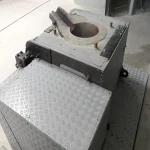
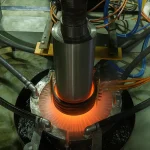
A coreless induction furnace is comprised of a refractory crucible encased by a water-cooled copper coil, which is energized by an alternating current source. The flow of AC through this coil generates an electromagnetic field, which, in turn, induces circulating currents within the aluminum charge. As these eddy currents traverse the metal, they encounter electrical resistance, leading to internal heat generation. This methodology facilitates uniform melting and effectively prevents contamination, as there is no direct contact between the heating element and the aluminum material.
Key Components include:
- Copper coil: responsible for generating the electromagnetic field.
- Refractory crucible: designed to contain and thermally insulate the molten aluminum.
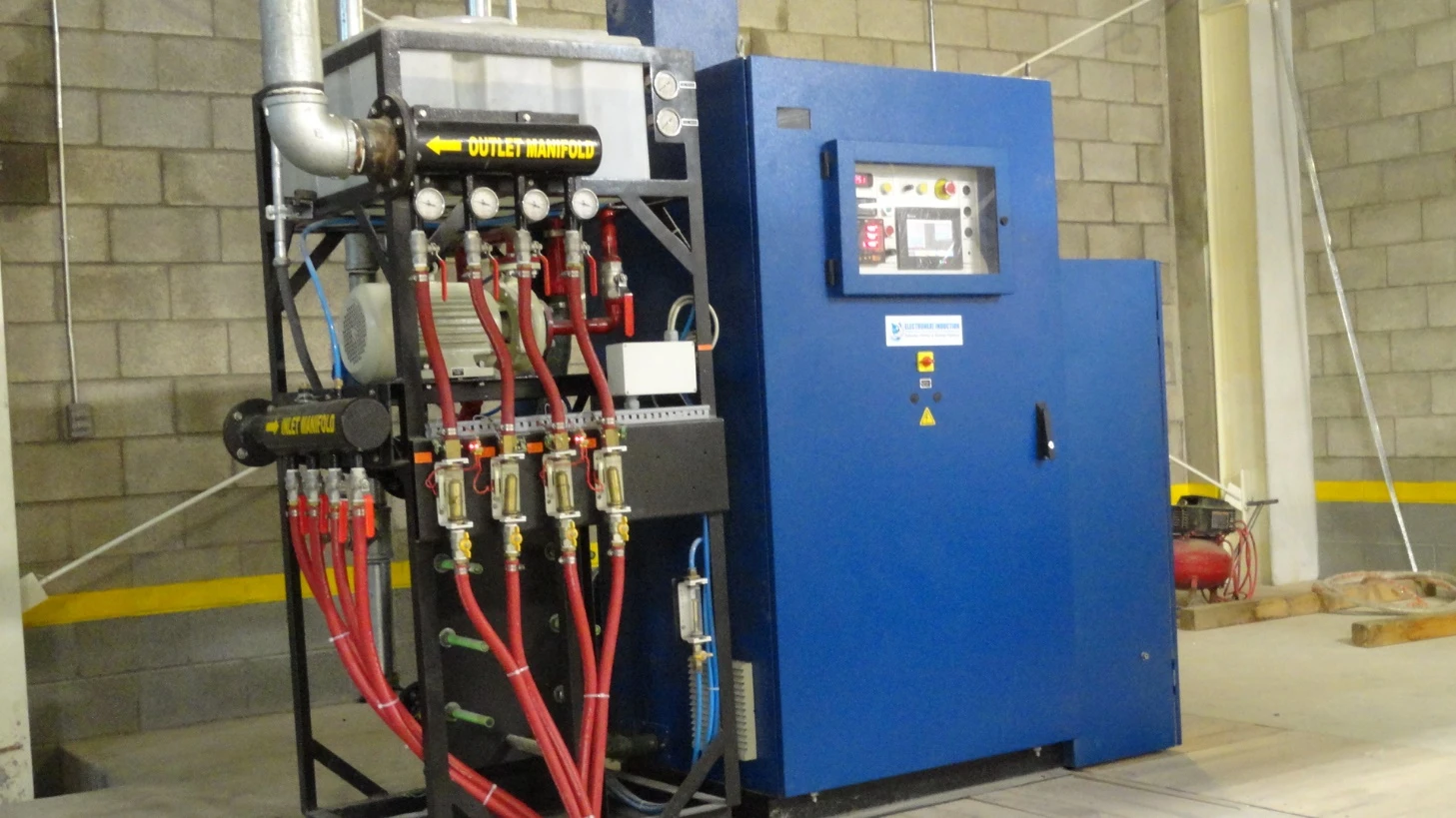
- Power supply: converts AC into a controlled frequency current, typically utilizing Insulated Gate Bipolar Transistor modules.
- Cooling system: ensures the copper coil’s operating temperature is maintained through continuous water circulation.
3. How Aluminum Melting Works in a Coreless Induction Furnace
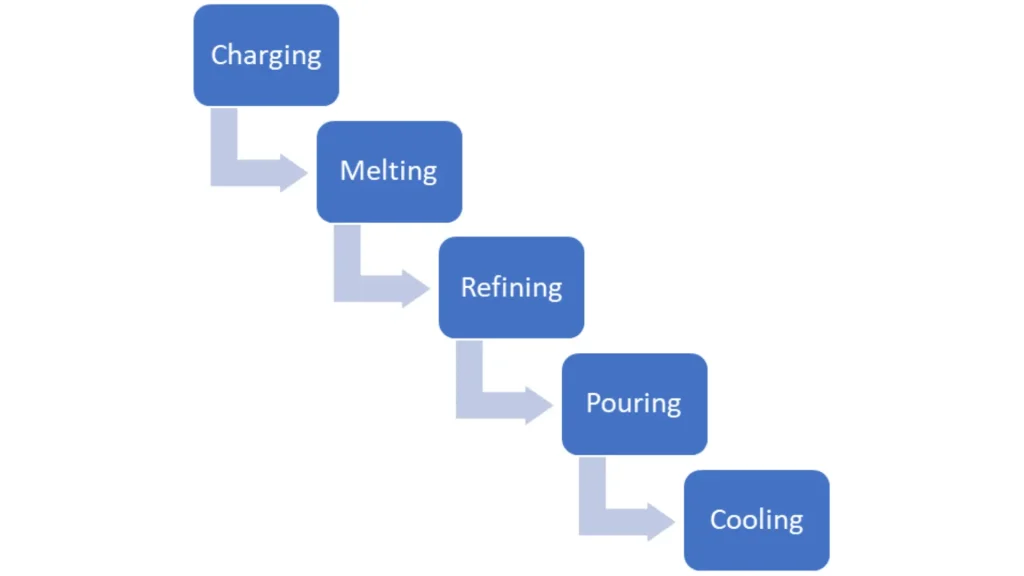
If you’re wondering how to melt aluminum with an induction furnace, the process begins by charging aluminum ingots or scrap into the crucible. The process commences with the charging of aluminum ingots or scrap into the furnace crucible. Upon power application, the alternating magnetic field generated by the coil induces eddy currents within the charge. This internal generation of heat rapidly brings the metal to its melting point. As melting proceeds, the molten pool dynamically expands and achieves stabilization through electromagnetic stirring.
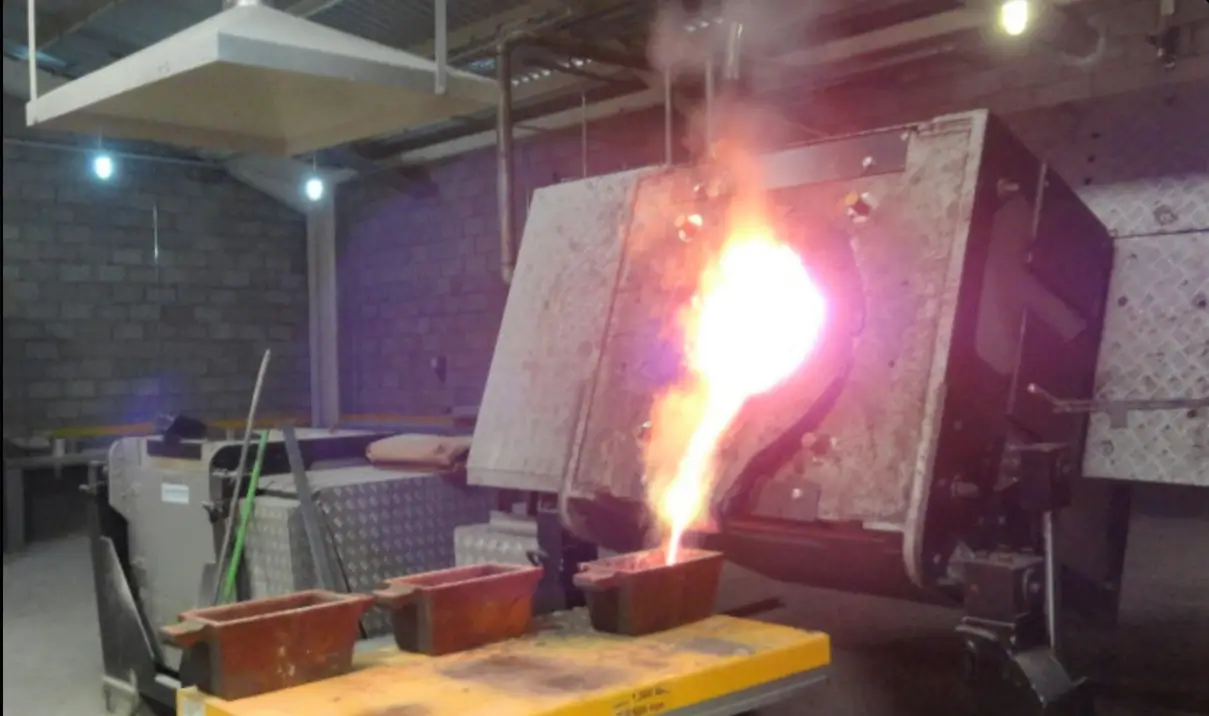
Concurrently, impurities, being less dense, ascend to the surface, facilitating their easy removal via skimming. Throughout this phase, integrated temperature sensors provide precise control, effectively preventing overheating. Once the aluminum reaches a fully molten state, the furnace is tilted, allowing the molten metal to be cast into molds or directed to casting lines.
A simplified representation of this process flow is depicted below in Figure 2:
This entire non-contact induction heating methodology significantly minimizes oxidation and energy losses, thereby guaranteeing clean, uniform, and repeatable metallurgical outcomes. Such precise control and minimized contamination are crucial for high-quality metal matrix composites, where homogeneous dispersion and reduced porosity are paramount.
4. Benefits of Using a Coreless Induction Furnace for Aluminum
The adoption of coreless induction furnaces for aluminum melting offers a range of significant advantages, spanning energy efficiency, environmental responsibility, operational safety, and product quality. These benefits collectively contribute to enhanced productivity and sustainable manufacturing practices.
- Energy Benefits:
- High Efficiency: Achieves remarkable energy efficiency, utilizing up to 80% of energy input, a substantial improvement over the 40–50% typically seen in fuel-based furnaces.
- Fast Heating: Provides rapid heating, significantly reducing melting cycle times and consequently lowering overall electricity consumption.
- Precise Temperature Control: Ensures precise temperature control, which not only prevents over-melting but also contributes to considerable power savings.
- Non-Energy Benefits:
- Cleaner Operation: Promotes a cleaner operational environment by eliminating combustion gases and soot, resulting in a completely emission-free process.
- High Metal Recovery: Boasts a high metal recovery rate, achieving up to 98% aluminum yield largely due to minimized oxidation during the melting process.
- Enhanced Safety and Automation: Enhances safety and automation, as the absence of open flames reduces operator risk and simplifies maintenance procedures.
- Consistent Product Quality: Delivers consistent product quality through uniform temperature distribution, thereby eliminating cold spots or localized overheating within the molten metal.
5. Comparison: Coreless vs. Conventional Aluminum Melting Furnaces
The following table provides a clear comparison of coreless induction furnaces with conventional gas or oil-fired furnaces, highlighting key differences in their operational characteristics and benefits for aluminum melting.
| Feature | Coreless Induction Furnace | Gas or Oil-Fired Furnace |
| Heating Method | Electromagnetic induction | Combustion flame |
| Efficiency | 75–80% | 35–50% |
| Temperature Control | Precise, programmable | Manual, less stable |
| Environmental Impact | Clean, zero emissions | Produces CO₂ and smoke |
| Metal Recovery | 98–99% | 90–93% |
Table 1. Comparison of Aluminum Melting Methods
6. Applications of Coreless Induction Aluminum Melting
Coreless induction furnaces are widely adopted across various industrial sectors where stringent requirements for metal quality, energy efficiency, and material purity are paramount. Key applications demonstrating their versatility and effectiveness include:
- Foundries: These furnaces are extensively utilized in foundries for the efficient recycling and remelting of aluminum scrap. Their ability to minimize oxidation and ensure high metal recovery rates contributes significantly to producing clean, high-quality molten aluminum suitable for new castings, thereby promoting sustainable manufacturing practices.
- Automotive Industry: In the automotive sector, coreless induction furnaces are crucial for manufacturing critical components such as engine blocks, wheels, and structural elements. The precise temperature control and uniform heating capabilities ensure consistent material properties, which are essential for the structural integrity and performance of these demanding applications.
- Aerospace Sector: The aerospace industry demands exceptionally high-purity aluminum alloys for precision parts due to critical performance and safety requirements. Coreless induction melting minimizes contamination and allows for the production of homogeneous alloys with reduced porosity, making it ideal for components where material integrity is non-negotiable.
- Metal Recycling Plants: These furnaces play a vital role in large-scale metal recycling operations, enabling the efficient remelting of secondary aluminum. Their high energy efficiency and superior metal recovery rates make them an economically and environmentally sound choice for processing diverse scrap materials into reusable forms.
- Research Laboratories: For material science and metallurgical research, coreless induction furnaces provide an invaluable tool. Their precise temperature control and ability to create repeatable melting conditions are essential for the development of new alloys, process optimization studies, and fundamental investigations into material properties.
7. Key Performance Factors
Achieving optimal performance in coreless induction melting of aluminum hinges on the meticulous management of several critical parameters, each contributing to enhanced efficiency, superior product quality, and extended operational longevity:
- Frequency Selection: The judicious choice of medium frequency is paramount, as it expertly balances the required heating depth with the beneficial electromagnetic stirring effect, thereby ensuring the uniform characteristics of the molten metal.
- Power Supply: The integration of advanced IGBT-based inverters is fundamental, guaranteeing a stable power output, significantly minimizing harmonics, and virtually eliminating energy loss to achieve maximum operational efficiency.
- Cooling System: A robust cooling infrastructure, comprising high-performance water-cooled copper coils and chillers, is indispensable for continuous operation. This system effectively maintains optimal performance, prevents overheating, and extends the lifespan of crucial components.
- Refractory Life: The longevity of the refractory lining is a critical factor, directly influenced by the specific alloy being processed, the types of flux utilized, and the prevailing operating temperatures. Implementing diligent maintenance practices is key to significantly extending its service life, minimizing downtime, and ensuring consistent furnace reliability.
8. Comparison: Coreless vs. Channel Induction Furnaces
Both coreless and channel induction furnaces rely on electromagnetic principles to heat metal, but their designs and purposes differ. A coreless furnace is best for quick melting, alloy changes, and versatile batch operations, whereas a channel furnace excels in continuous production and holding large volumes of molten metal at stable temperatures.
Understanding these differences helps determine which system best fits a particular melting or holding application. The table below highlights their key differences.
| Feature | Coreless Induction Furnace | Channel Induction Furnace |
| Heating Method | Metal in an open crucible heated directly by surrounding coil | Metal circulates through a heated channel beneath the holding bath |
| Melting Solid Scrap | Excellent – can melt solid metal from start | Limited – needs molten metal to begin |
| Mixing Uniformity | Strong electromagnetic stirring ensures even melt | Moderate mixing, mainly within the channel |
| Flexibility | Highly flexible for alloy changes and batch melting | Less flexible – ideal for one type of metal |
| Best Application | Batch melting, alloy switching, recycling operations | Holding, superheating, and continuous casting |
| Energy Efficiency | Efficient for melting cycles | Extremely efficient for holding molten metal |
| Maintenance | Simple refractory replacement | More complex channel maintenance |
Table 2. Key Differences Between Coreless and Channel Induction Furnaces.
9. Why Choose Electroheat?
At Electroheat Induction, we specialize in designing and manufacturing coreless induction furnaces for aluminum melting, integrating power, efficiency, and precision into every unit.
Our advanced systems are engineered with key features to optimize your operations, including:
- Advanced IGBT power control for significant energy savings.
- Robust, water-cooled coil construction designed for extended operational life.
- User-friendly interfaces facilitating easy maintenance and operator control.
- Comprehensive worldwide installation, training, and after-sales support.
With decades of expertise in induction heating technology, we provide not just equipment, but complete melting solutions — engineered for performance, reliability, and sustainability. Electroheat Induction continues to pioneer advanced coreless induction furnace technology — setting new benchmarks for clean, efficient, and precise aluminum melting worldwide.
👉 Contact us today to learn how our coreless induction furnaces for aluminum melting can transform your production efficiency.