

Induction Gold Smelting Furnaces for Concentrate and Precipitate


August 14, 2013

5:00 pm
1. Introduction
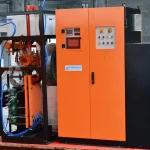
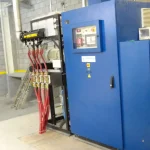
Gold and silver smelting is a vital step in precious-metal recovery. Once the precipitate or concentrate from the Merrill-Crowe process is smelted, it yields metallic ingots that can later be refined into pure gold and silver. Modern foundries and refineries now rely on induction smelting furnaces, which provide fast, clean, and uniform heating. Our induction smelter machines combine advanced IGBT technology with efficient electromagnetic heating to ensure precise temperature control, superior purity, and safe operation — ideal for mining and refining environments worldwide.
2. The Smelting Process Using an Induction Furnace
Smelting gold and silver concentrate is a systematic process that transforms raw precipitate into castable metal. Below is a simplified step-by-step overview.
Step 1: Preparing the Flux
The first step involves preparing the flux mixture. Common fluxes include Borax, Sodium Nitrate, and Silica, with percentages adjusted according to the precipitate composition. Flux is crucial because it attracts and binds impurities, allowing gold and silver to settle cleanly at the bottom of the furnace while unwanted oxides float to the surface.
Step 2: Melting the Gold and Flux
The mixed charge of precipitate and flux is loaded into the induction smelter furnace. As alternating current passes through the copper coil, electromagnetic induction produces heat exceeding 900°C, melting both materials evenly. This contactless heating ensures efficient energy use and prevents contamination from combustion gases common in fuel-based systems.

Step 3: Separation of Gold, Silver, and Flux
During melting, gold and silver — being heavier — naturally settle to the bottom of the crucible. The flux and lighter impurities rise to the surface and are later skimmed off. This step is vital for achieving a clean metal pool ready for casting.
Step 4: Pouring and Casting
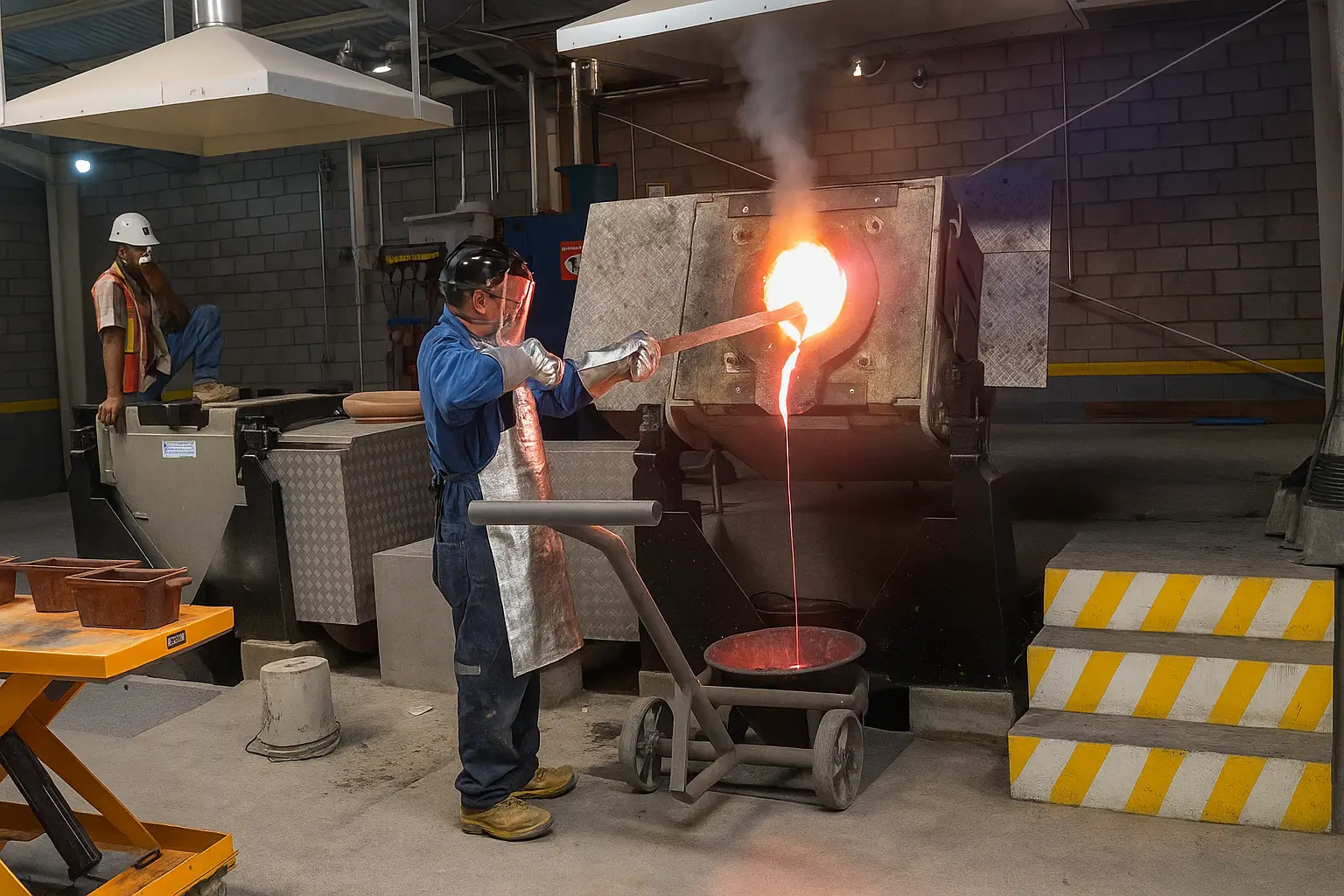
Once separation is complete, the molten precious metals are poured into molds using a tilting mechanism or ladle. At this point, a metal test sample may be collected using a vacuum tube for quality verification. After solidification, the result is a gold or silver ingot that can proceed to final refining.

Step 5: Refining of Ingots
The smelted ingots are not yet 100% pure; they typically contain trace metals like copper, lead, zinc, and iron. These are removed in the subsequent refining stage, where chemical or electrolytic methods yield high-purity gold and silver.

3. Why Use an Induction Smelter for Gold and Silver?
Induction furnaces stand out as the superior choice, delivering the cleanest and most efficient precious-metal concentrate and precipitate melting available today. Each induction metal smelter is designed to deliver consistent melting performance, combining reliability with precise electromagnetic heating control.
Key Benefits:
- Experience unparalleled metal purity, as the absence of carbon or fuel contamination ensures immaculate results.
- Achieve rapid melting cycles with consistently uniform temperature distribution, significantly boosting your production throughput.
- Benefit from remarkable energy efficiency, consuming 60–70% less energy than traditional fuel furnaces, leading to substantial cost savings and a reduced environmental footprint.
- Ensure a safer working environment, free from the hazards of open flames and harmful combustion gases.
- Enjoy effortless operation thanks to compact designs, intuitive digital controls, and a need for only minimal maintenance.
These industrial induction smelters are engineered to deliver exceptional precision and steadfast reliability, which facilitates operators in consistently achieving optimal metallurgical outcomes across all production runs.
4. Applications in Precious-Metal Recovery
Electroheat’s induction smelter furnaces support diverse applications, such as:
• Merrill-Crowe process precipitate smelting for gold and silver recovery.
• Concentrate smelting in mining operations.
• Laboratory and pilot-scale refining for testing and quality control.
• Jewelry casting and alloy preparation in the manufacturing sector.
• Recycling of dust, residues, and fine concentrates.
Electroheat’s gold smelting machines are trusted across mining and refining sectors for fast, clean, and accurate smelting of concentrates and precipitates. Their adaptability makes them suitable for both small-batch processing and continuous refinery operations. Beyond these applications, the inherent advantages of induction heating, such as precise electromagnetic field control and rapid heating capabilities, are increasingly being leveraged in advanced metallurgical processes, including the enhanced nucleation and grain refinement of various alloys.
5. Advantages of Electroheat Induction Smelting Furnaces
To underscore the significant advancements offered by Electroheat Induction technology, the following table provides a comprehensive comparison, highlighting how our induction smelters surpass traditional fuel furnaces in critical operational areas.
| Feature | Electroheat Induction Smelter | Traditional Fuel Furnace |
| Heating Method | Electromagnetic induction — clean, contactless energy transfer | Direct combustion flame — inefficient and difficult to control |
| Energy Efficiency | 70–80% — optimized power use and reduced energy waste | 35–50% — high heat loss through exhaust and radiation |
| Heating Uniformity | Excellent: Consistent, even melt throughout the crucible | Poor: Uneven heating with localized hot spots |
| Metal Purity | Exceptional: No contamination from fuel or combustion gases | Moderate: Risk of impurities and oxidation from fuel combustion |
| Environmental Impact | Minimal: No direct emissions — zero CO₂, soot, or dust | Significant: Emits CO₂, soot, and particulate matter |
| Maintenance | Low: Simple setup, minimal spare parts, easy servicing | High: Frequent refractory wear and complex repairs |
| Safety | High: No open flames or combustion hazards | Lower: Risk of open flames, gas leaks, and explosions |
The industrial induction smelter from Electroheat stands out for its superior energy efficiency and precise temperature control compared to traditional fuel furnaces.
6. Why Electroheat Induction
As a pioneering leader in IGBT technology, Electroheat Induction delivers unparalleled expertise and solutions, including:
- Global Reach and Support: Our extensive worldwide network ensures seamless installation and comprehensive technical support, wherever your operations may be.
- Tailored System Design: Benefit from our expert advisory services and custom system designs, meticulously crafted to meet your specific operational needs and challenges.
- Proven Reliability: With a proven track record across the foundry, mining, and refining sectors, our systems guarantee consistent, dependable performance.
- Optimized Smelting: Experience the most efficient and safest smelting of gold, silver, and other precious metals, enhancing your production processes with superior purity.
In summary, our induction smelter furnaces combine advanced technology and skilled engineering to deliver superior results in precious-metal recovery.
Each system reflects Electroheat’s global commitment to innovation, efficiency, and sustainability — engineered for precision, safety, and long-term reliability.
Contact Electroheat Induction today to learn how our induction smelters can transform your precious-metal recovery process.