

Table of Contents
Watch Our Induction Melting Process in Action

Product Snapshot: Aluminum Melting Furnace Systems
Electroheat supports industrial aluminum melting applications with furnace systems configured around melt rate, charge material, available power, production workflow, and facility layout. Use this quick snapshot to determine whether the system range fits your foundry, casting, recycling, casthouse, or commercial melting requirements.
| Requirement | Typical Range / Configuration |
|---|---|
| Power range | 50 kW to 10,000 kW, depending on furnace configuration and application duty |
| Melting capacity | 50 kg to 20 tons, depending on metal type, furnace design, and production requirement |
| Furnace options | Induction, electric, gas, rotary, crucible, tilting, and holding systems |
| Key applications | Foundry, die-casting, casthouse, extrusion support, scrap recycling, chip remelting, and R&D |
| Control options | IGBT-based power supply, PLC/touchscreen controls, real-time monitoring, and data logging |
| Material focus | Aluminum ingots, clean scrap, contaminated scrap, returns, chips, and selected non-ferrous metals |
| Support required for quotation | Melt capacity, aluminum grade or scrap type, production volume, available electrical supply, preferred furnace configuration, and installation requirements |
Request a quote or speak with an engineer to review capacity, furnace type, power supply, cooling, installation requirements, and auxiliary equipment.
Custom Design Available | U.S.-Based Support | IGBT Power Supply | Engineer Reviewed | Foundry Applications
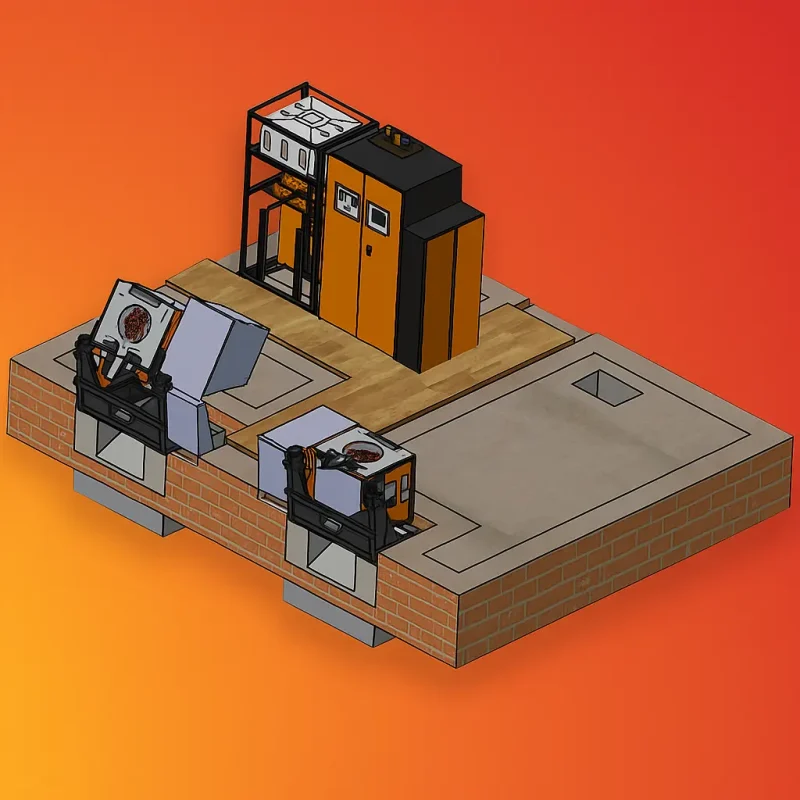
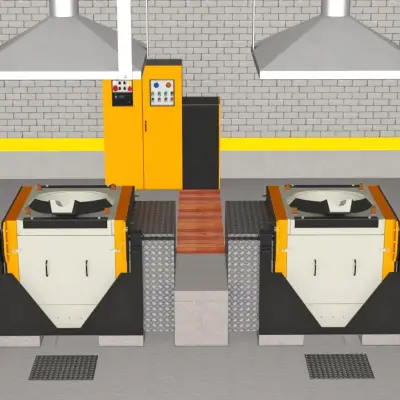
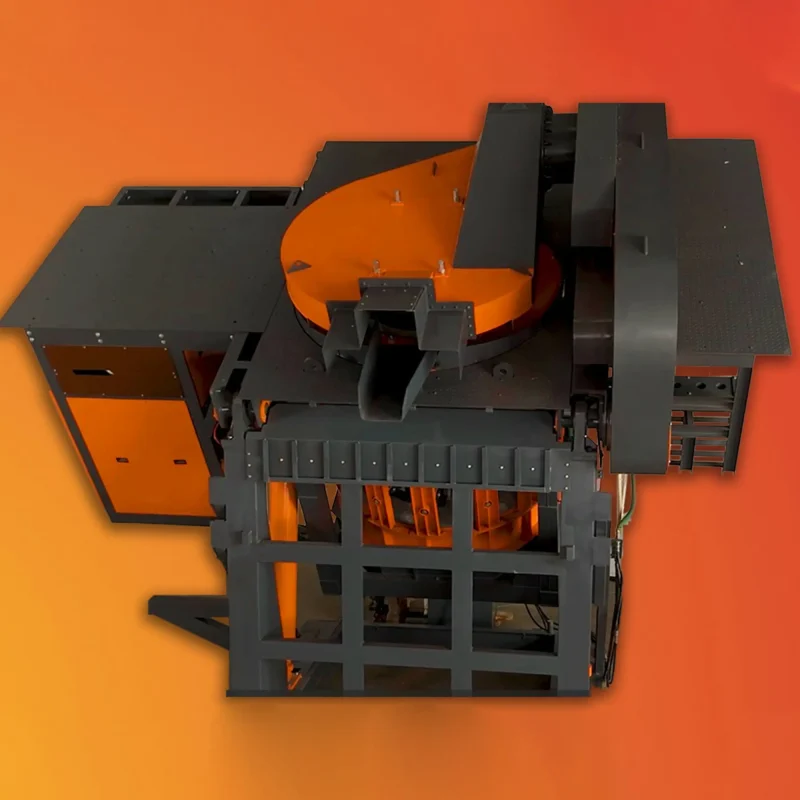
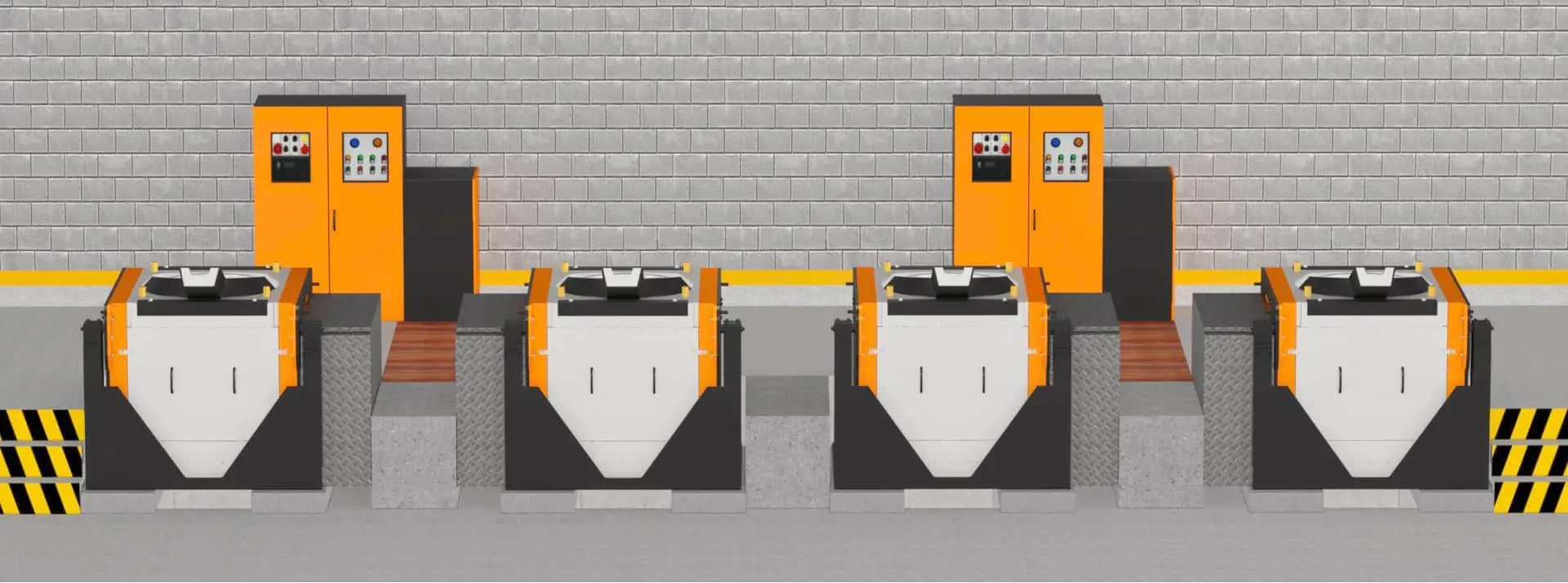
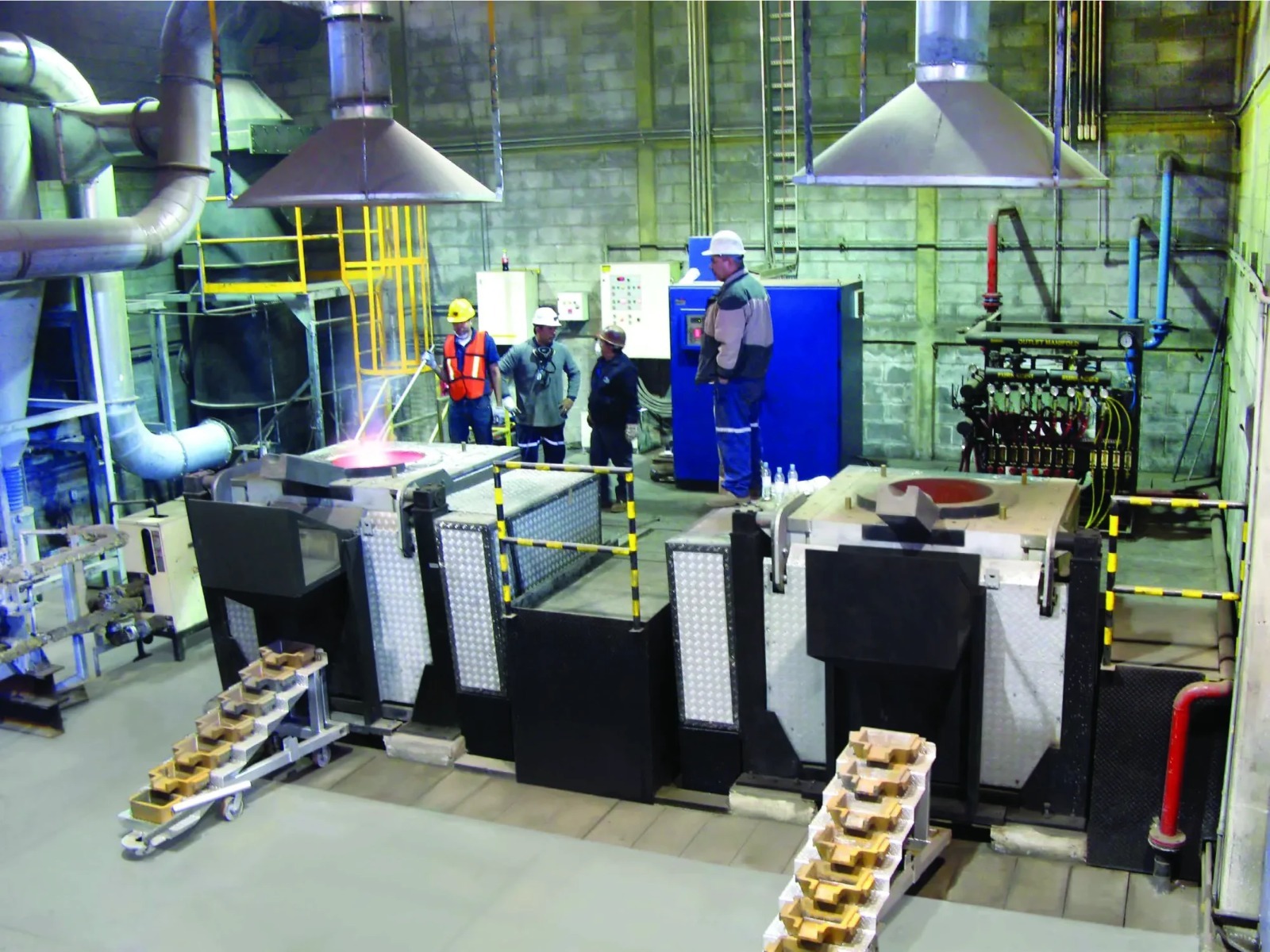
Below is a representative induction aluminum melting system operating in a clean industrial environment, showing the controlled furnace layout, power control cabinet, overhead ventilation, and stable melt conditions typical of modern production floors.
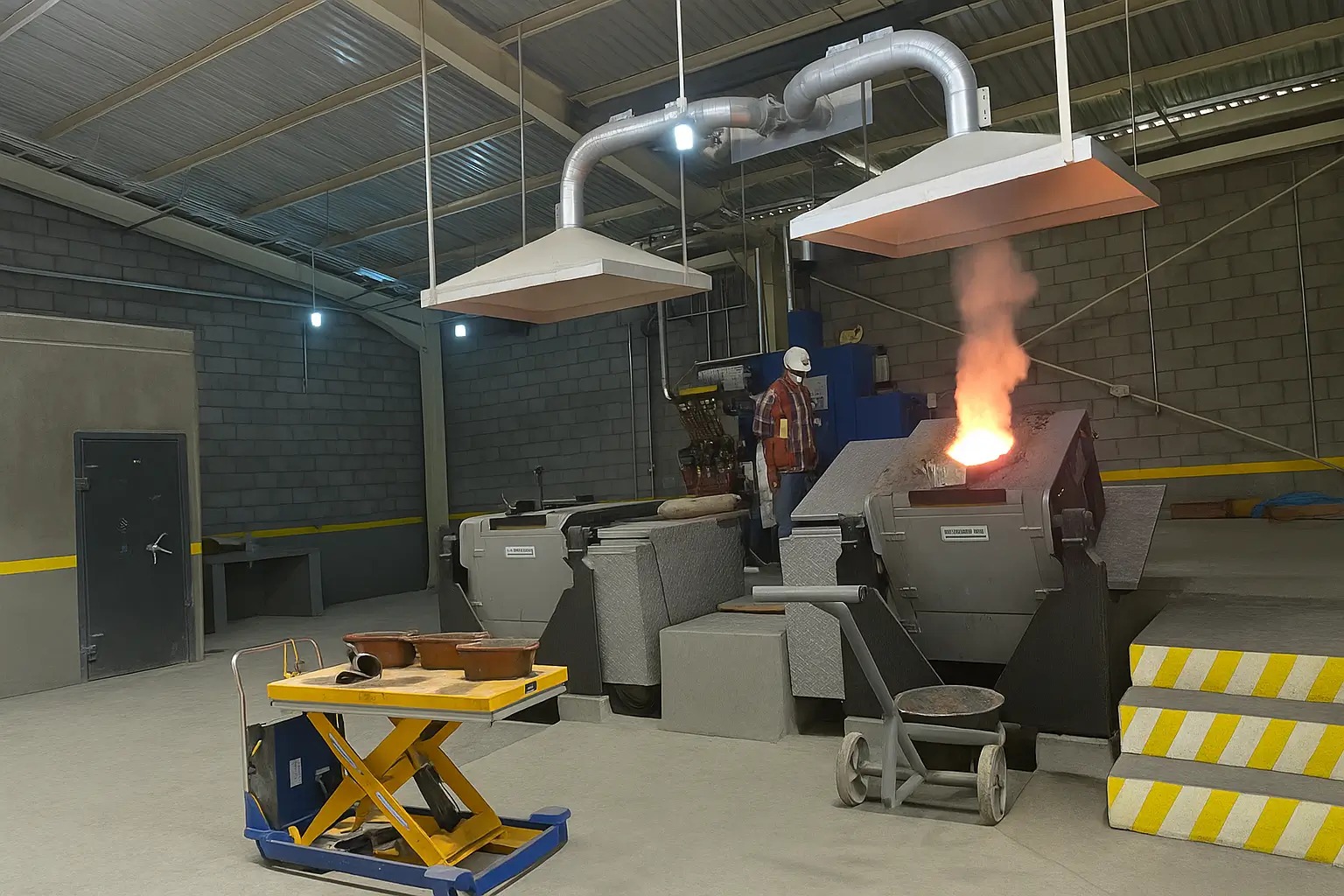
with a Power Control Cabinet and Overhead Ventilation System
Aluminum Melting Furnaces Built for Performance, Control, and Yield
Industrial aluminum melting is not simply a heating process. It is a controlled metallurgical operation in which temperature uniformity, melt cleanliness, and energy efficiency must be balanced with production throughput. A well-designed furnace minimizes oxidation, reduces dross formation, and ensures that the maximum proportion of the charge becomes usable molten metal.
Modern induction systems are commonly selected when fast heat-up, repeatable temperature control, and low oxidation loss are priorities. In contrast, gas-fired furnaces remain essential for high-volume melting, while electric resistance furnaces provide stable, clean operation in controlled environments.
Electroheat aluminum melting furnace systems are available across a broad industrial performance range, with approved output power from 50 kW to 10,000 kW and melting capacity from 50 kg to 20 tons, depending on furnace configuration, charge material, production duty, and site utility conditions [1]. Systems may include IGBT-based power supplies, PLC/touchscreen controls, hydraulic tilting, real-time monitoring, cooling protection, and data logging to support stable aluminum melting performance.
Types of Aluminum Melting Furnaces
Induction Aluminum Melting Furnaces
Induction furnaces generate heat through electromagnetic induction. A copper coil produces a magnetic field that induces currents in the aluminum charge, resulting in rapid, uniform heating without direct flame contact.
Coreless induction furnaces are widely used for batch melting because of their flexibility, whereas channel induction furnaces are more commonly used for holding applications. Industrial systems typically use steel shells and coreless designs. Electroheat induction aluminum melting systems can be configured with solid-state IGBT-based power supplies across the approved 50 kW to 10,000 kW output range, depending on the required melt rate, batch size, aluminum charge form, cooling arrangement, and facility power availability.
A 900 kW induction furnace can achieve melting rates of up to 4,000 lbs per hour under stable operating conditions, with typical energy consumption of 500-650 kWh per ton and a metal yield above 95%, depending on charge conditions and operating practices [2].
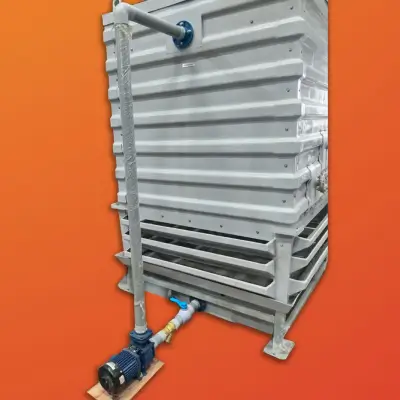
Modern systems integrate with induction-furnace power supply units for stable energy control and are supported by closed-loop cooling towers to maintain coil temperature during continuous operation. Induction furnaces are widely used in casting, extrusion support, and aluminum chip remelting, where melt quality and process control are critical.
Electric Aluminum Melting Furnaces
Electric aluminum melting furnaces use resistance heating elements to transfer heat to the aluminum charge via radiation and conduction. Because they do not rely on direct combustion, they provide clean, stable heating and are well suited to controlled indoor environments where temperature consistency, emissions control, and process repeatability are important.
Common technical parameters for aluminum melting furnaces include furnace capacity, heating power, maximum operating temperature, furnace lining materials, energy consumption, temperature control accuracy, melting rate, furnace size, exhaust temperature, and degree of automation. Example capacities include 1-, 2-, and 5-ton furnaces, while heating power may be specified in kilowatts, such as 300 kW or 500 kW.
Modern electric furnace systems may incorporate automated temperature regulation, programmable controls, and load-management features to stabilize power input and improve operating efficiency during production. These furnaces are commonly used in die-casting operations, small- to medium-sized foundries, laboratory or R&D environments, and facilities that require clean operation with reliable thermal control.
Gas Aluminum Melting Furnaces
Gas furnaces use natural gas or propane and are commonly selected for high-throughput aluminum melting.
These systems can support melting rates of 3 to 5 tons per hour, making them suitable for large-scale production. Energy input typically ranges from 900 to 1300 kWh per ton equivalent, depending on furnace design, burner efficiency, insulation, and operating conditions [4].
Modern gas systems may include regenerative or ultra-low NOx burners to improve combustion efficiency and reduce emissions. Gas-holding furnaces are also used alongside melting units to maintain molten aluminum at the required production temperature. These furnaces are most common in casthouse operations and recycling facilities, where volume is the primary driver of production.
Reverberatory Furnaces for Aluminum
Reverberatory furnaces heat aluminum indirectly by reflecting heat from the furnace roof and walls onto the molten bath. These systems are typically gas-fired and are designed for large-volume melting.
They are commonly used in secondary aluminum processing, where continuous scrap charging is required. While they can reduce direct flame contact with the metal, overall efficiency depends on insulation, burner performance, and process control.
Reverberatory furnaces are most suitable for bulk melting and recycling operations.
Rotary and Tilting Aluminum Furnaces
Rotary furnaces use a rotating cylindrical drum to mix and heat the aluminum charge material. This improves heat transfer and supports higher recovery when processing contaminated scrap, chips, and dross.
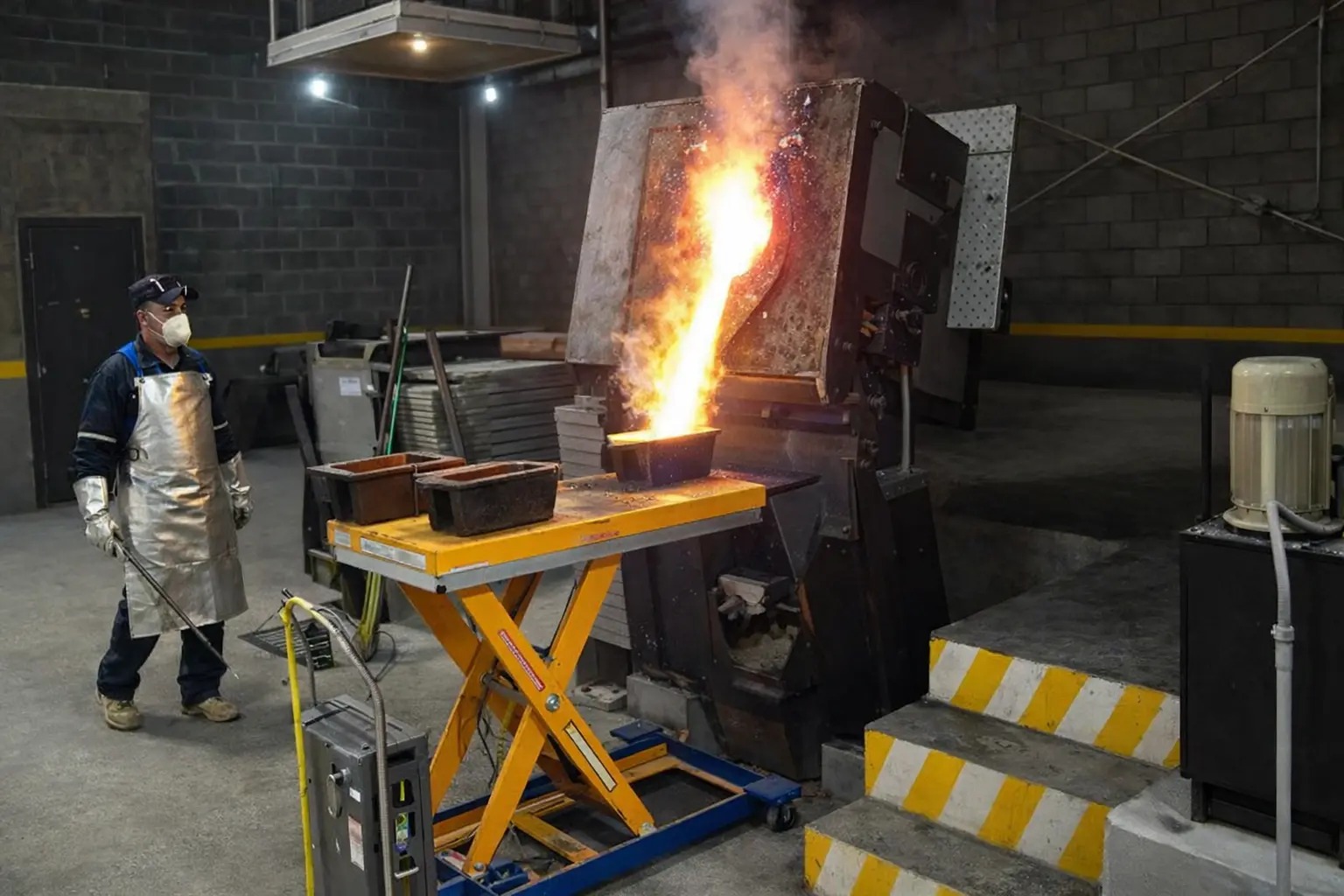
Tilting furnaces use hydraulic movement to pour molten aluminum into ladles, molds, or downstream casting equipment. Controlled tilting reduces manual handling, improves pour accuracy, and helps limit metal loss during transfer.
Rotary and tilting furnaces are commonly used in recycling operations and in foundries handling mixed or contaminated aluminum feedstock, often as part of integrated aluminum scrap-melting systems.
Crucible Furnaces for Aluminum
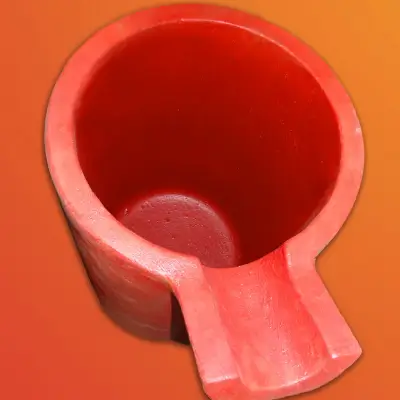
Crucible furnaces are a common type of aluminum melting furnace used for small- to medium-batch melting. They heat aluminum indirectly by heating a crucible that holds the metal charge during melting.
These furnaces are available in gas-fired and electric configurations. Graphite-clay crucibles are widely used for general melting because they are cost-effective, while silicon carbide crucibles are preferred for higher-performance applications due to their thermal conductivity, thermal shock resistance, and longer service life [5].
Crucible furnaces are best suited for small-batch production, die-casting shops, laboratory testing, and R&D applications that require flexibility, alloy changes, and lower-volume melting.
Aluminum Holding Furnaces
Holding furnaces maintain molten aluminum at a stable temperature without remelting. They typically operate at 700-750°C to maintain fluidity while minimizing oxidation.
These furnaces can be gas-fired or electric and are often integrated with melting systems to support continuous production. In die-casting operations, holding furnaces provide a consistent supply of molten metal to the casting machine.
Combined melting-and-holding furnace units are used where space, workflow, and process integration are important.
Furnace Type Comparison
Understanding the differences between furnace technologies is essential when selecting equipment for industrial applications. Induction furnaces offer higher efficiency and precise temperature control, while gas furnaces provide a lower upfront cost but lower energy efficiency [4].
The comparison below summarizes the main operational differences among induction, electric-resistance, and gas-fired aluminum melting furnaces. Actual performance will depend on furnace size, charge condition, operator practice, refractory condition, and energy cost.
| Criteria | Induction Furnace | Electric Resistance Furnace | Gas-Fired Furnace |
|---|---|---|---|
| Heat Source | Electromagnetic induction (eddy currents) | Electric heating elements (radiant/conduction) | Natural gas or propane combustion |
| Typical Energy Consumption | 500 – 650 kWh/ton | 600 – 800 kWh/ton (equivalent electrical load) | 900 – 1,300 kWh/ton (fuel equivalent) |
| Melting Rate | High (fast heat-up, direct heating) | Moderate | High at a large scale |
| Temperature Control Accuracy | ±5°C to ±10°C | ±10°C to ±20°C | ±20°C to ±40°C |
| Metal Yield (Recovery Rate) | 95% – 98% | 92% – 96% | 85% – 93% |
| Oxidation / Dross Formation | Low | Moderate | High if not tightly controlled |
| Thermal Efficiency | 70% – 85% | 60% – 75% | 30% – 50% |
| Start-up Time | Short | Moderate | Long (preheating required) |
| Operational Cleanliness | Very clean, no open flame | Clean | Combustion gases present |
| Emissions (Point of Use) | None (indirect via power generation) | None (indirect) | CO₂, NOx, combustion by-products |
| Best Application Fit | Precision melting, alloy control, chip remelting, and foundry | Holding small-batch, controlled indoor melting | Bulk melting, large casthouse, recycling |
| Capital Cost | High | Moderate | Moderate to low |
| Operating Cost Sensitivity | Electricity-dependent | Electricity-dependent | Fuel price-dependent |
| Maintenance Focus | Coil and power electronics | Heating elements | Burners, refractory, exhaust system |
| Scrap Handling Capability | Good (clean to moderately mixed scrap) | Moderate | Excellent for mixed/contaminated scrap |
| Automation & Control Integration | Advanced (PLC, data logging, load control) | Moderate | Basic to moderate |
Table 1. Aluminum Melting Furnace Comparison: Induction vs Electric vs Gas
Note: Performance ranges are indicative and may vary based on furnace capacity, charge material, alloy composition, refractory condition, energy source, and operating practice.
Aluminum Melting Furnace Applications
Aluminum melting furnaces are used across a wide range of industrial sectors. In casting operations, they provide a stable, continuous supply of molten metal, ensuring consistent part quality and production efficiency. Foundries rely on these systems to produce both standard and high-performance aluminum components, while extrusion facilities use them to prepare alloys for downstream processing.
In recycling environments, aluminum scrap melting furnaces process a variety of materials, including clean scrap, contaminated feedstock, and machining chips. Chip remelting, in particular, is a specialized process that requires careful control because of the material’s high surface area, which increases the risk of oxidation. Dross processing systems are also used to recover residual aluminum from melting by-products, improving overall material efficiency.
The automotive and aerospace industries depend heavily on precise aluminum melting processes to meet stringent material specifications. Laboratory-scale furnaces are used for research, testing, and small-batch alloy development, where flexibility and control are essential.
In addition to aluminum, many melting systems are used for copper, zinc, and other non-ferrous metals, allowing facilities to operate across multiple material streams using a common furnace platform.
What to Look for in an Aluminum Melting Furnace
Selecting an aluminum melting furnace is a technical decision that directly affects production throughput, metal recovery, and operating cost per ton. For industrial users, the evaluation must be based on measurable performance parameters and how well the system integrates into the existing production environment.
Capacity and Throughput
Furnace capacity must align with actual production requirements, typically expressed in tons per hour or kilograms per heat. In industrial aluminum melting, a practical sizing approach is to divide the required daily output by the available operating hours and adjust for melt-cycle efficiency.
For example, a plant targeting 12 tons per day over an 8-hour shift requires a minimum melt rate of 1.5 tons per hour. Allowing for charging time, slag removal, and transfer losses, the installed furnace capacity should typically be 10 to 20 percent higher than the calculated baseline.
In induction systems, the melt rate is directly related to installed power. A 1000 kW system will typically support 1.2 to 1.8 tons per hour, depending on charging conditions and operating practices. Smaller systems in the 250 kW to 500 kW range are commonly used for batch melting between 200 kg and 800 kg per heat.
Correct sizing ensures stable operation without overloading the power system or creating bottlenecks in downstream casting or transfer operations.
Fuel and Energy Type
The selection of an energy source determines both operating cost and process control capability.
Induction furnaces operate using electromagnetic heating and typically consume between 500 and 650 kWh per ton of aluminum under stable conditions. They provide rapid heat-up, precise temperature control within ±5°C to ±10°C, and low oxidation loss, making them suitable for high-quality casting and alloy control [7].
Electric resistance furnaces operate within a similar electrical framework but rely on radiant heat transfer. Energy consumption typically ranges between 600 and 800 kWh per ton [8]. These systems are commonly used for holding applications and controlled indoor operations where combustion is not preferred.
Gas-fired furnaces operate on natural gas or LPG, with energy input typically ranging from 900 to 1300 kWh per ton-equivalent. They are widely used in large-scale production, where throughput ranges from 3 to 5 tons per hour [9]. However, combustion systems require careful control to manage oxidation, fuel efficiency, and emissions.
In practice, induction systems are selected where control and yield are critical, while gas systems are selected where production volume dominates cost considerations.
Electrical Specifications and Power Quality
For induction melting systems, electrical design is a primary engineering parameter. Furnace performance depends on stable power delivery, including voltage, frequency, and load control.
Typical Electroheat industrial induction aluminum melting systems may be configured within the following project-dependent ranges:
- Output power: 50 kW to 10,000 kW
- Melting capacity: 50 kg to 20 tons
- Supply voltage: project-specific, based on installation scale and site electrical infrastructure
- Operating frequency: medium-frequency output selected according to furnace design, charge behavior, and application duty [7].
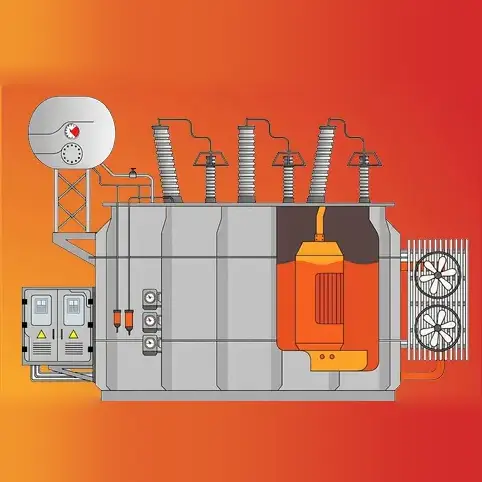
Electroheat systems use solid-state IGBT-based power supplies, which provide efficient power conversion, stable output, and improved energy control compared with older SCR-based systems.
Power factor is typically maintained above 0.95 by integrating a capacitor bank, thereby reducing reactive power losses and improving overall electrical efficiency [10].
Industrial installations should include surge protection, harmonic filtering, and proper earthing to protect sensitive power electronics and maintain system reliability under fluctuating grid conditions.
Custom Design and Build Quality
Aluminum melting furnaces must be engineered to match the facility’s physical layout and operational flow. Electroheat systems are designed and manufactured in the United States, allowing full control over fabrication, assembly, and quality assurance.
Furnace construction typically includes a reinforced steel frame combined with high-performance refractory lining designed to withstand continuous thermal cycling. Coil support structures and insulation systems are engineered to maintain consistent heat distribution and minimize thermal loss.
Hydraulic tilting systems are integrated to enable safe, controlled pouring of molten aluminum. These systems are designed for precise movement under load, reducing operator risk and improving repeatability in casting operations.
In-house manufacturing ensures consistent build quality, tighter tolerances, and reliable integration among mechanical, electrical, and control systems.
Efficiency and Yield Ratings
Furnace efficiency must be evaluated in terms of both energy consumption and metal recovery.
Induction systems typically operate within an energy consumption range of 500 to 650 kWh per ton, with an overall thermal efficiency of 70 to 85%. Gas furnaces, by comparison, typically operate at 30 to 50% thermal efficiency due to heat losses through exhaust and furnace structure [11].
Metal yield is a critical performance indicator. In well-controlled induction systems, yield typically ranges from 95 to 98%, meaning that only 2 to 5% of the charged aluminum is lost to oxidation and dross. Gas systems may experience higher losses, particularly when processing scrap or operating under less controlled conditions.
Lower oxidation rates translate directly into higher usable output and reduced material cost per ton of finished product.
Country of Manufacture
Country of manufacture and engineering support affect long-term reliability, service response, and the availability of replacement parts. Electroheat operates in the United States and supports aluminum melting furnace projects by providing engineering, system design, technical support, and project coordination for industrial customers. Customers benefit from responsive after-sales support, including fast service response times and streamlined spare parts logistics. Service agreements are available to further ensure equipment uptime and minimize unplanned downtime throughout the furnace’s operational life.
For industrial users, clear manufacturing control, documented component sourcing, responsive service, and accessible spare parts reduce downtime and improve equipment support throughout the furnace’s operational life.
How Aluminum Melting Furnaces Work
Aluminum melting furnaces operate through a controlled thermal process that converts solid aluminum into clean, usable molten metal for casting, holding, or transfer. While furnace designs vary, most industrial aluminum melting operations follow a consistent sequence: preheating and charging, melting, treatment, holding, and pouring.
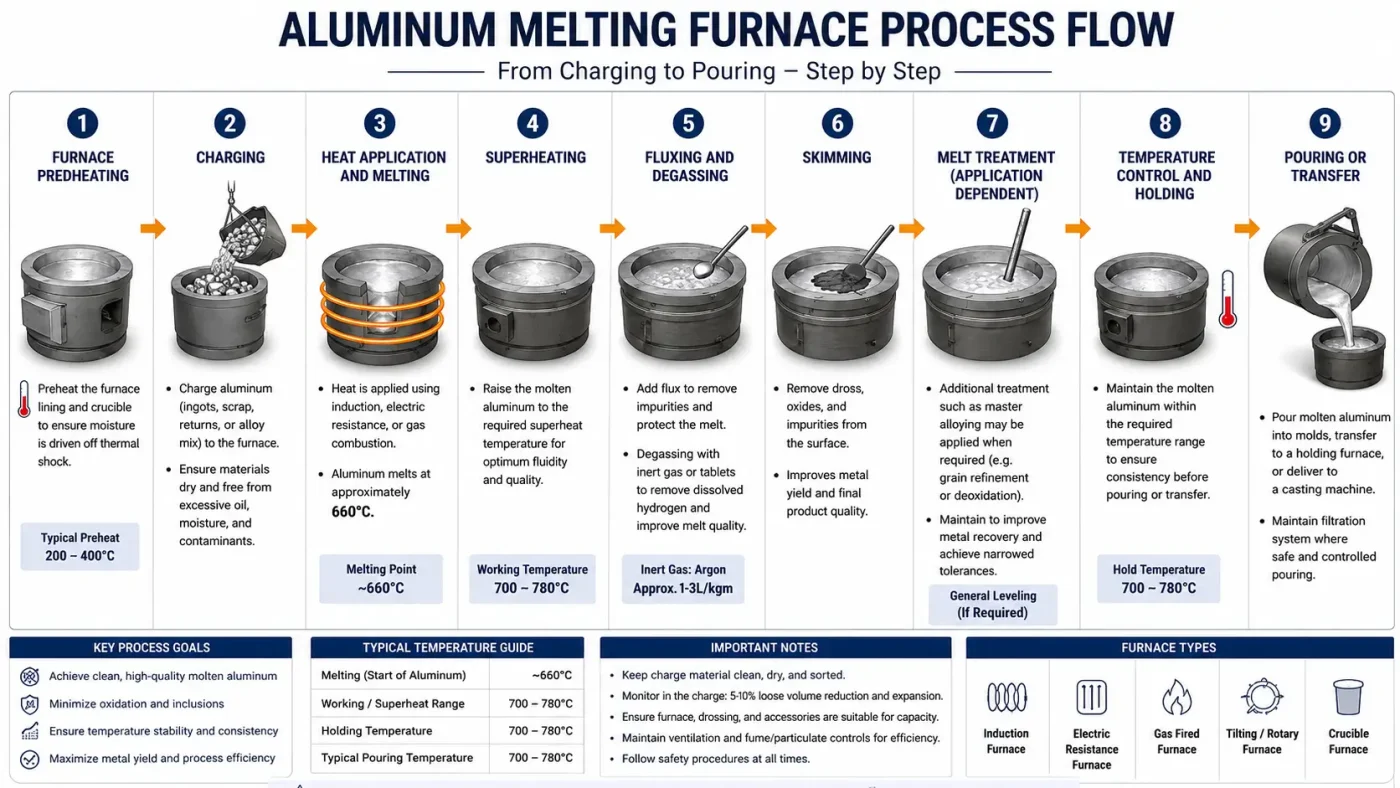
Step-by-step aluminum melting furnace process flow showing preheating, charging, melting, degassing, skimming, holding, and pouring
Step 1: Furnace Preheating
Before charging, the furnace lining and crucible are preheated to remove moisture and prevent thermal shock. This is critical for safety and ensures stable operating conditions.
Step 2: Charging
Aluminum is loaded into the furnace as ingots, scrap, returns, or chips. Charge preparation is important, as moisture or contamination can affect safety, oxidation, and melt quality.
Step 3: Heat Application and Melting
Heat is applied using induction, electric resistance, or gas combustion. Aluminum melts at approximately 660°C, and uniform heating is required to ensure consistent melt formation [12].
Step 4: Superheating
Once molten, the metal is typically raised to a working temperature between 700°C and 780°C to maintain fluidity for refining and transfer [13].
Step 5: Fluxing and Degassing
Fluxes are added to remove impurities, while degassing, often using nitrogen or argon, reduces dissolved hydrogen. This improves melt cleanliness and minimizes casting defects [14].
Step 6: Skimming
Oxides and dross are removed from the molten surface. Effective skimming improves metal yield and ensures higher-quality output.
Step 7: Melt Treatment (Application-Dependent)
Additional treatments, such as oxygen lancing, may be applied in scrap or dross-heavy operations to improve metal recovery and remove unwanted materials.
Step 8: Temperature Control and Holding
The molten aluminum is stabilized within the required temperature range to maintain consistency before use. This step is essential for repeatable casting performance.
Step 9: Pouring or Transfer
The molten metal is poured into molds, transferred to a holding furnace, or delivered to a die casting machine. In tilting furnaces, hydraulic systems provide controlled and safe metal transfer.
Scrap and Secondary Aluminum Melting
Secondary aluminum melting plays a critical role in modern manufacturing by recovering usable metal from clean scrap, machining chips, mixed returns, contaminated feedstock, and dross-related material. These materials often require different handling methods because oils, coatings, oxides, and moisture can affect safety, oxidation loss, and metal recovery.
Rotary furnaces and tilting systems are commonly used for mixed or contaminated scrap because they improve material handling, enable controlled discharge, and increase recovery. For prepared chips and cleaner scrap streams, induction systems can also be effective when the material is properly sorted, dried, and charged under controlled conditions.
Associated equipment, such as charging machines, skimming tools, discharge pumps, and chip handling systems, can further improve workflow, reduce manual handling, and support more consistent recovery in secondary aluminum operations.
Aluminum Melting Furnace Equipment and Accessories
A complete aluminum melting system includes more than the furnace itself. Auxiliary equipment, such as ladles, skimmers, charging machines, skimming machines, discharge pumps, transfer pumps, and submerging systems, supports safe and efficient metal handling.
Measurement tools, including thermocouples and pyrometers, help maintain accurate temperature control. Refractory materials, crucibles, oxygen lance pipes, heating elements, ingot casting machines, sow molds, and ingot molds may also be required, depending on the melting process and downstream casting method.
Induction systems also rely on specialized components such as coils and power supply units, which must be maintained and periodically replaced to ensure consistent performance.
Why Industrial Buyers Choose Electroheat
For industrial buyers, furnace selection depends on uptime, melt consistency, service response, access to spare parts, and the supplier’s ability to engineer the system around the production floor. Electroheat systems are designed to meet these requirements through a combination of advanced engineering and practical operational features. Integration support is also available, with solutions for connecting new furnace systems to existing automation and process controls. This helps customers achieve seamless adoption and minimize downtime during installation and commissioning.
Electroheat systems cover a wide power range, from small laboratory systems to large industrial installations, and incorporate modern technologies such as IGBT-based power supplies, digital control systems, and hydraulic tilting mechanisms. Real-time monitoring and data logging capabilities further enhance process control and maintenance planning. For organizations considering equipment upgrades, Electroheat can provide case studies and ROI data from customers who have realized significant improvements in efficiency, energy reduction, and metal yield after replacing older furnace systems. This demonstrated track record helps buyers build a business case for investment, backed by proven results.
Request a Quote
Electroheat aluminum melting systems cover the current approved range of 50 kW to 10,000 kW output power and 50 kg to 20 tons melting capacity, with configurations incorporating IGBT-based power supplies, digital control systems, hydraulic tilting, real-time monitoring, cooling protection, and data logging.
Expert Guidance on Induction Heating Solutions
Does aluminum perform well with induction melting?
Yes, aluminum performs very well with induction melting when the furnace is properly sized and configured for the alloy, batch size, and production objective. Induction is widely used for its clean operation, fast thermal response, and low oxidation characteristics.
What is the best furnace for melting aluminum?
There is no single best furnace for every application. Induction furnaces are preferred for precision and efficiency; gas furnaces are suited for high-volume production; and crucible furnaces are often used for smaller batch operations.
What is the most energy-efficient furnace type for aluminum melting?
Induction furnaces are generally regarded as the most energy-efficient option due to direct heat generation and reduced thermal losses. Actual efficiency depends on operating conditions, charge material, and process control.
What furnace type produces the lowest oxidation loss in aluminum melting?
Induction furnaces typically produce the lowest oxidation loss because the metal is not exposed to direct flame. However, actual results depend on charge condition, melt practice, and exposure time before pouring.
How do electric and gas aluminum melting furnaces compare in long-term operating costs?
Gas furnaces can be cost-effective in high-throughput operations, while electric systems offer cleaner operation and more stable control. Long-term cost should be evaluated based on energy consumption, yield, maintenance, and emissions handling.
How does furnace selection affect metal recovery and yield?
Furnace design influences oxidation loss, dross formation, and overall metal recovery. Systems with better temperature control and reduced air exposure generally achieve higher yields.
Expert Review

Meet Charlie Parsana
Aluminum Melting Furnace Technical Reviewer
Charlie Parsana is Chief Engineer at Electroheat Induction, with 22 years of experience in induction furnace systems, non-ferrous melting applications, and industrial furnace support. His technical work includes aluminum melting furnace configuration, IGBT-based power supply systems, melt-rate review, cooling protection, hydraulic tilting, PLC/HMI monitoring, interlock systems, commissioning support, and troubleshooting for foundry, die-casting, recycling, and commercial melting operations.
For aluminum melting applications, this review focuses on practical buyer concerns such as charge form, melt capacity, power availability, alloy handling, oxidation control, cooling readiness, pouring workflow, operator visibility, and production reliability.
“In aluminum melting, the right furnace is not selected by power rating alone. It must be matched to the charge material, melt rate, alloy requirements, cooling system, pouring method, and production workflow.” — Charlie Parsana, Chief Engineer, Electroheat Induction
Our Partners



References
[1] Electroheat Induction, “Induction Melting Furnace,” product brochure. Accessed: May 5, 2026. [Online]. Available: https://electroheatinduction.com/
[2] A. E. W. Jarfors, “The Effects of Melting Methods and In-House Recycled Content on Climate Effects,” Journal of Manufacturing and Materials Processing, vol. 9, no. 12, Art. no. 398, Dec. 2025, doi: 10.3390/jmmp9120398.
[4] W. T. Choate and J. A. Green, “Performance of secondary aluminum melting: Thermodynamic analysis and plant-site experiments,” Energy, vol. 30, no. 14, pp. 2359-2371, 2005, doi: 10.1016/j.energy.2005.08.005.
[5] Zirsec, “Silicon Carbide vs Graphite Crucibles for Aluminum and Copper Foundries,” 2023. Accessed: May 5, 2026. [Online]. Available: https://zirsec.com/silicon-carbide-vs-graphite-crucibles-for-aluminum-and-copper-foundries/
[7] Wikipedia, “Induction furnace,” 2024. Accessed: May 5, 2026. [Online]. Available: https://en.wikipedia.org/wiki/Induction_furnace
[8] T. Li, M. Hassan, K. Kuwana, K. Saito, and P. King, “Performance of secondary aluminum melting: Thermodynamic analysis and plant-site experiments,” Energy, vol. 31, no. 12, pp. 1769-1779, 2006, doi: 10.1016/j.energy.2006.01.019.
[9] HTGP, “Gas Furnace for Melting Aluminum-Oil Fired Aluminum Melting Furnace-HTGP,” n.d. Accessed: May 5, 2026. [Online]. Available: https://www.aluminum-furnace.com/product/Gas-fired/Oil-fired_aluminum_melting_furnace.html
[10] Z. Lukasik and Z. Olczykowski, “Estimating the Impact of Arc Furnaces on the Quality of Power in Supply Systems,” Energies, vol. 13, no. 6, Art. no. 1462, 2020, doi: 10.3390/en13061462.
[11] Alucastline, “How much energy does an Aluminum melting furnace use?” 2024. Accessed: May 5, 2026. [Online]. Available: https://www.alucastline.com/info/how-much-energy-does-an-aluminium-melting-furn-98889210.html
[12] HTS Alu, “Aluminum Melting Point: Key Facts for Everyday Life and Industry,” 2025. Accessed: May 5, 2026. [Online]. Available: https://hts-alu.com/aluminum-melting-point-key-facts-for-everyday-life-and-industry/
[13] Aluminum Melting and Holding Furnace Factory, “Aluminum Melting and Holding Furnace Factory,” 2026. Accessed: May 5, 2026. [Online]. Available: https://www.aluminum-furnace.com/aluminum-melting-and-holding
[14] J. Lazaro-Nebreda et al., “Degassing of Aluminum Alloy Melts by High Shear Melt Conditioning Technology: An Overview,” Metals, vol. 12, no. 10, Art. no. 1772, 2022, doi: 10.3390/met12101772.